
KAZA UniVisa explained: Vic Falls, Zambia and Chobe
The short answer
The KAZA UniVisa is a single US$50 visa for Zimbabwe and Zambia. It is valid for up to 30 days, lets you cross between the two countries as often as you like, and also covers day trips into Botswana through the Kazungula border. That makes it useful if you want to see both sides of Victoria Falls or take a day trip to Chobe.
It is not always the best choice. Since January 2025 Zambia has waived visas for many more nationalities, and if yours is one of them you may only need a Zimbabwe visa that lets you back in. Check your nationality on both governments’ lists before you decide.
The KAZA UniVisa at a glance
| Topic | What the official sources say |
|---|---|
| Fee | US$50, unchanged in Zambia’s fee revision of 1 January 2026 |
| Countries | Zimbabwe and Zambia, plus day trips into Botswana through Kazungula |
| How long | Up to 30 days in any 12-month period, as long as you stay within Zimbabwe and Zambia |
| Entries | As many as you like between Zimbabwe and Zambia while it is valid |
| Who can get it | Nationals of 65 countries on the official list, including the UK, the US, Canada, Australia, New Zealand, Japan and most of the EU |
| Where | Selected airports and land borders in both countries, or online in advance |
Fees, eligibility and issuing points are set by the two governments and have changed before. Check before you travel.
What the UniVisa covers, and what it doesn’t
The UniVisa is a joint visa for Zimbabwe and Zambia, the two countries that share Victoria Falls. With it you can stay in Victoria Falls town, cross the bridge to Livingstone, come back and cross again, all on one visa, for up to 30 days.
It also covers a day trip into Botswana through Kazungula, so you can visit Chobe and return on the same visa. It is not a Botswana visa for a longer stay. If you plan to sleep in Botswana, or travel on to the Okavango Delta, check Botswana’s own entry rules for your nationality.
If you leave Zimbabwe and Zambia for anywhere else, the UniVisa no longer covers your return.
Who it’s worth it for: check your nationality
Start with Zambia. Its Department of Immigration publishes a list of nationals who do not need a visa. The list includes the UK, the US, Canada, Australia, New Zealand, Ireland, Japan, South Africa and most of the EU, and 53 more countries were added from 1 January 2025.
If you need no visa for Zambia, the question becomes whether your Zimbabwe visa lets you back in. A single-entry Zimbabwe visa ends when you leave, so a morning at Devil’s Pool or a day in Chobe would mean buying a new visa on your return. A double-entry or multiple-entry Zimbabwe visa, or the UniVisa, avoids that. Compare the Zimbabwe fee for your nationality with US$50.
If you do need a visa for Zambia and your nationality is on the UniVisa list, the UniVisa is usually the simplest choice for a trip that uses both sides of the Falls.
- Staying only on the Zimbabwe side with no border crossings: a single-entry Zimbabwe visa is enough.
- One or two crossings into Zambia, or a Chobe day trip: compare the UniVisa with a double-entry Zimbabwe visa.
- Several crossings, or nights on both sides: the UniVisa is usually easiest.
- Ending your trip in Botswana or Namibia: check whether you need the UniVisa at all, because it does not cover onward travel.
Where you can get it, and the shortage caveat
Zambia’s Department of Immigration lists these issuing points: Kenneth Kaunda International Airport in Lusaka, Harry Mwaanga Nkumbula International Airport in Livingstone, and the Victoria Falls and Kazungula borders on the Zambian side; Harare International Airport, Victoria Falls International Airport, and the Victoria Falls and Kazungula borders on the Zimbabwean side. The UK Foreign Office also lists Bulawayo airport, so check if you plan to arrive there.
You can apply in advance. Zimbabwe’s e-visa portal offers the UniVisa, says processing takes about seven working days on average, and recommends applying at least three weeks before you travel. E-visa fees are not refunded if your plans change. Zambia’s online UniVisa only works if you arrive at one of its four issuing points.
The visa has run short before. Travel trade press has reported border posts in both countries running out of UniVisa stickers, followed later by notices that it was available again. Carry enough US dollars in small notes to pay for a standard visa in case the UniVisa is not available on the day.
Chobe day trips via Kazungula
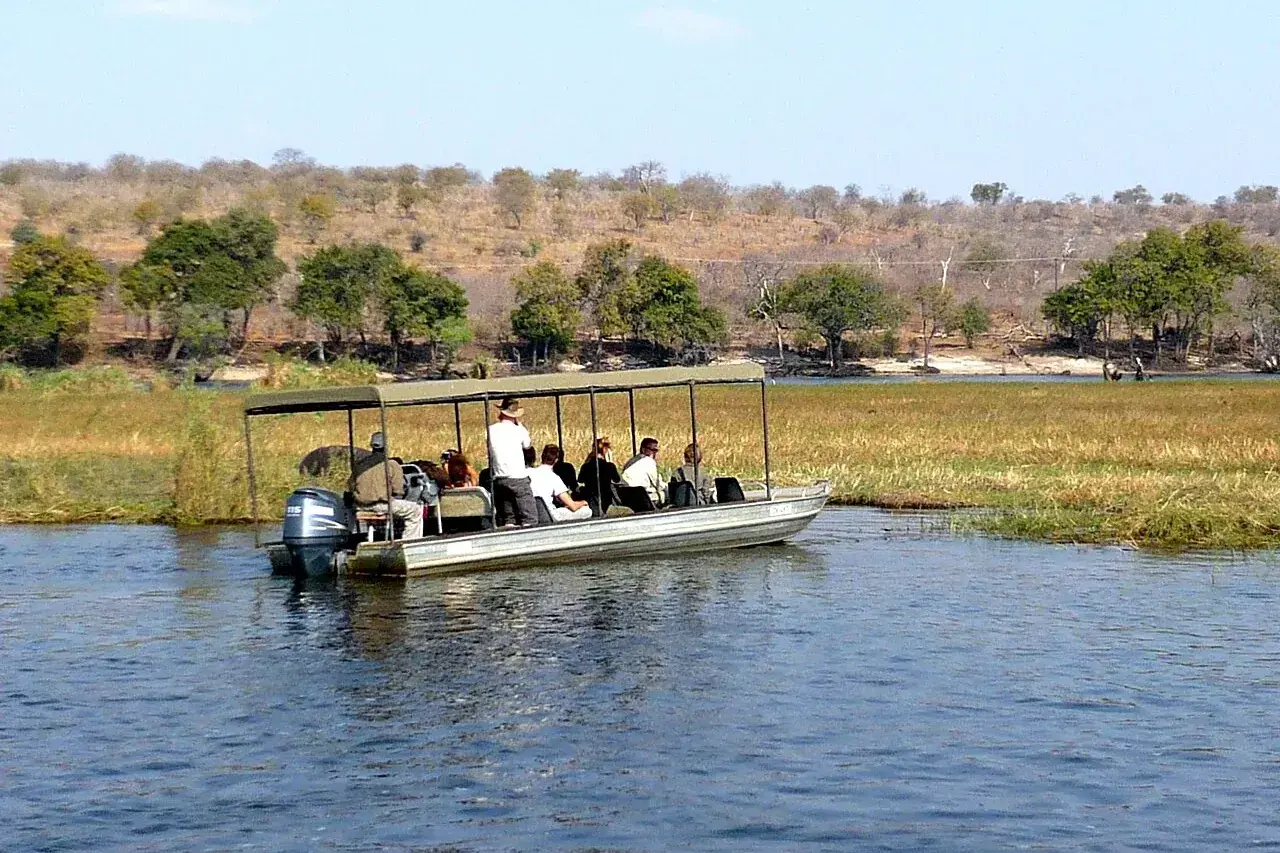
A Chobe day trip from Victoria Falls usually means a road transfer to the Kazungula border, a crossing into Botswana, a boat cruise and game drive in Chobe National Park, and the drive back. With the UniVisa, your return to Zimbabwe at the end of the day is covered.
Without it, check two things: whether you need a visa for Botswana, and whether your Zimbabwe visa lets you back in. Take your passport, and allow time at the border in both directions.
Devil’s Pool, Livingstone and the Zambian side
Livingstone Island, Devil’s Pool, the Zambian side of the Falls and the town of Livingstone are all in Zambia. If you are based in Victoria Falls, Zimbabwe, each of them means leaving Zimbabwe and coming back. Devil’s Pool only runs when the river is low enough, so check that trips are running for your dates before you pay for a visa to reach it.
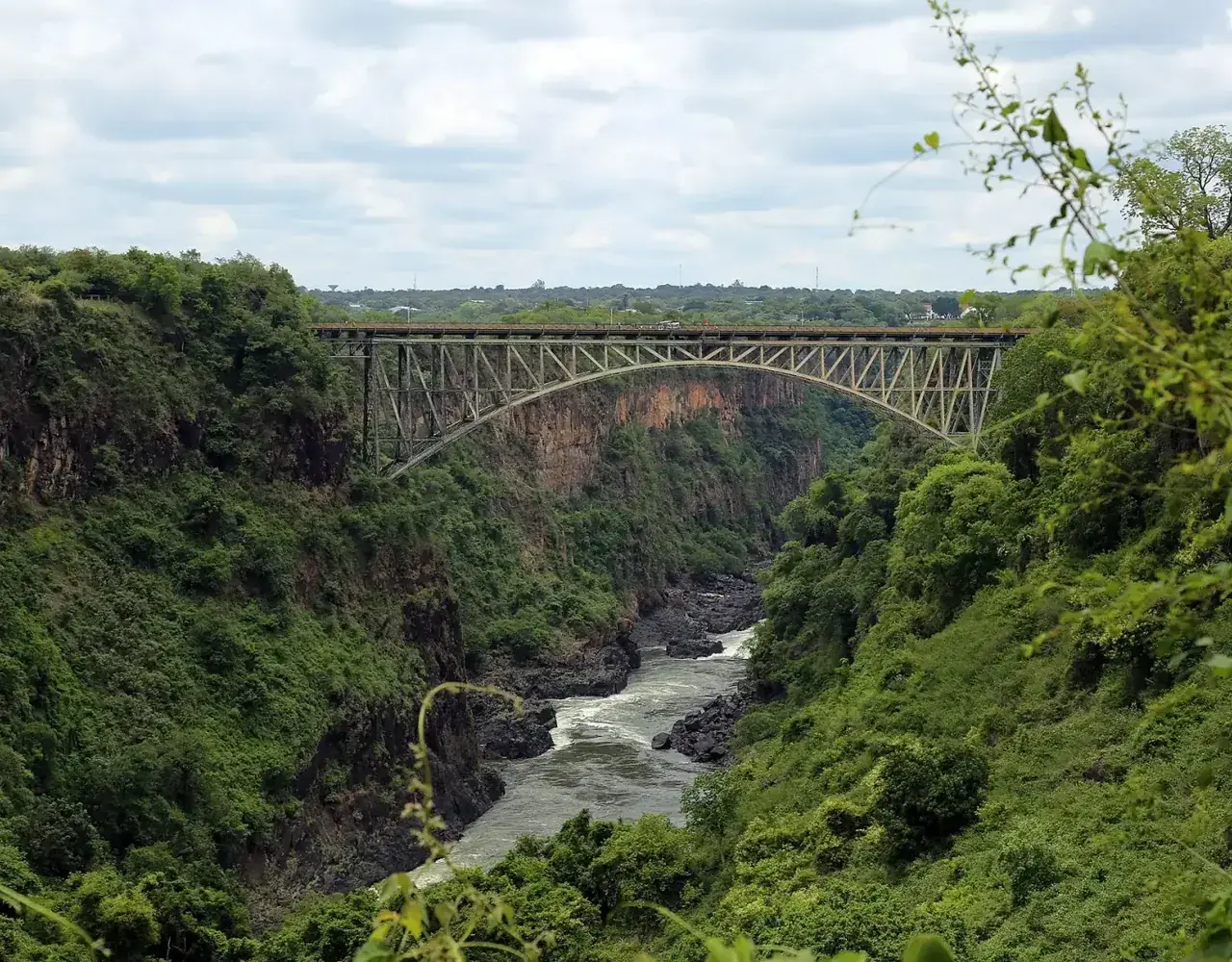
Most crossings are over the Victoria Falls Bridge, with a border post at each end. Carry your passport, even for a few hours.
Alternatives: single, double and multiple-entry visas
| Visa | Zimbabwe | Zambia (fees from 1 January 2026) |
|---|---|---|
| Single entry | One entry; you need a new visa to come back in | US$50 |
| Double entry | Two entries within six months | US$80 |
| Multiple entry | Any number of entries within six months. On arrival, only for UK, US and Canadian nationals | US$80 |
| Day tripper | Not offered | US$10 |
| KAZA UniVisa | US$50, covering both countries | US$50, covering both countries |
Zimbabwe’s fees depend on your nationality, so check the e-visa portal or your nearest Zimbabwean embassy. Zambian fees are from the Department of Immigration fee list. Visa-free nationals do not pay.
Check your nationality first
The UniVisa is still good value if you cross between Zimbabwe and Zambia more than once or take a Chobe day trip. If you need no visa for Zambia, a double or multiple-entry Zimbabwe visa may do the same job. Whichever you choose, check the official lists shortly before you travel and keep some small US dollar notes as a back-up.
Last checked:
Sources
- Zambia Department of Immigration: KAZA UniVisa
- Zambia Department of Immigration: fees
- Zambia Department of Immigration: nationals who do not require a visa
- Zambia Department of Immigration: visa waiver for 53 countries (December 2024)
- Zambia Tourism: updated visa fees for 2026
- Zimbabwe e-visa portal: visa types and FAQs
- GOV.UK foreign travel advice for Zimbabwe: entry requirements
- Tourism Update: update on KAZA UniVisa availability
- ATC News: Zambia Tourism reiterates the availability of the KAZA UniVisa